Selecting A Gasket Pipe For Chemical Resistant Systems
A chemical processing plant is a busy place. Pipes carry many different liquids and gases. These fluids can be strong and aggressive. They can damage ordinary materials.
A small leak can cause a big problem. That’s why choosing the right pipe and gasket is so important. The gasket is the seal between pipe sections. It keeps everything safely inside the pipe. Here’s how to do so:
Know your chemical:
First, you must know what you are working with. What chemicals will flow through the pipe? Make a full list. Include every substance. Also, think about concentration and temperature. A mild chemical at room temperature is one thing. The same chemical, hot and concentrated, is very different. This list is your most important tool for selection, and it is the first thing any reputable gasket suppliers in UAE will ask for.
The pipe material matters:
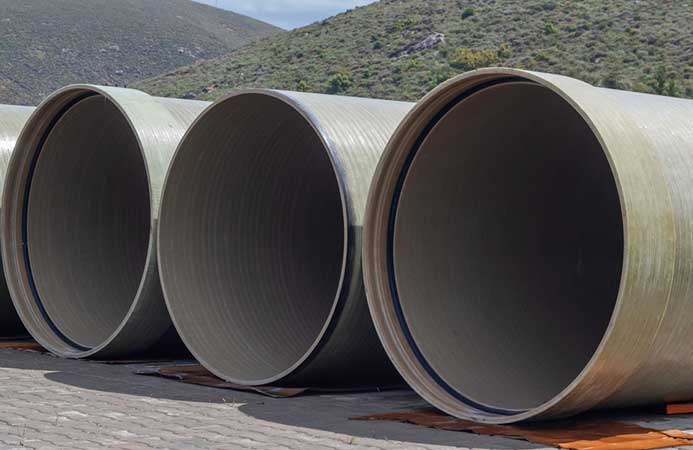
The pipe itself must resist the chemicals. Common materials include stainless steel, plastic, and fiberglass. Each material has strengths and weaknesses. Plastic might handle a strong acid, but not a hot solvent. The pipe and the gasket must work together as a team. A weak pipe will fail, even with a perfect gasket.
Focus on the gasket:
The gasket is a small part with a big job. It sits between two pipe flanges. When you tighten the bolts, the gasket squeezes. It fills any tiny gaps to create a tight seal. If the gasket material is wrong, it can swell, crack, or dissolve. This will lead to a leak.
Common gasket materials:
Different gasket materials suit different essentials. Rubber gaskets are flexible and good for many uses. PTFE is a champion for very strong acids and bases. It resists almost everything. Graphite gaskets can handle very high heat. Each material has a special talent. Your chemical list will tell you which one to pick.
Think about temperature and pressure:
Chemicals are not the only challenge. Think about the system’s temperature and pressure. A gasket that works perfectly cold might soften and fail when hot. High pressure can squeeze a soft gasket out of its seat. The gasket must be strong enough to stay in place and keep sealing under all operating conditions.